Cuenta
Trading Journal Mastery: Elevate Your Performance Through Structured Review
Learn how to create, maintain and analyze an effective trading journal to identify patterns, improve strategy execution and accelerate your development as a trader.

Trading Journal Mastery: Elevate Your Performance Through Systematic Analysis
What is a Trading Journal and Why Every Serious Trader Needs One
A trading journal serves as the bridge between mediocre and exceptional performance in the markets. This systematic record of your trades, decisions, and market observations creates a performance database that reveals patterns invisible during day-to-day trading. For intermediate traders, a well-maintained trading journal transforms scattered experiences into structured insights that drive measurable improvement. Unlike beginners who might track basic entries and exits, your journal should capture deeper market mechanics and psychological triggers that influence your decisions.
Essential Components of an Effective Trading Journal
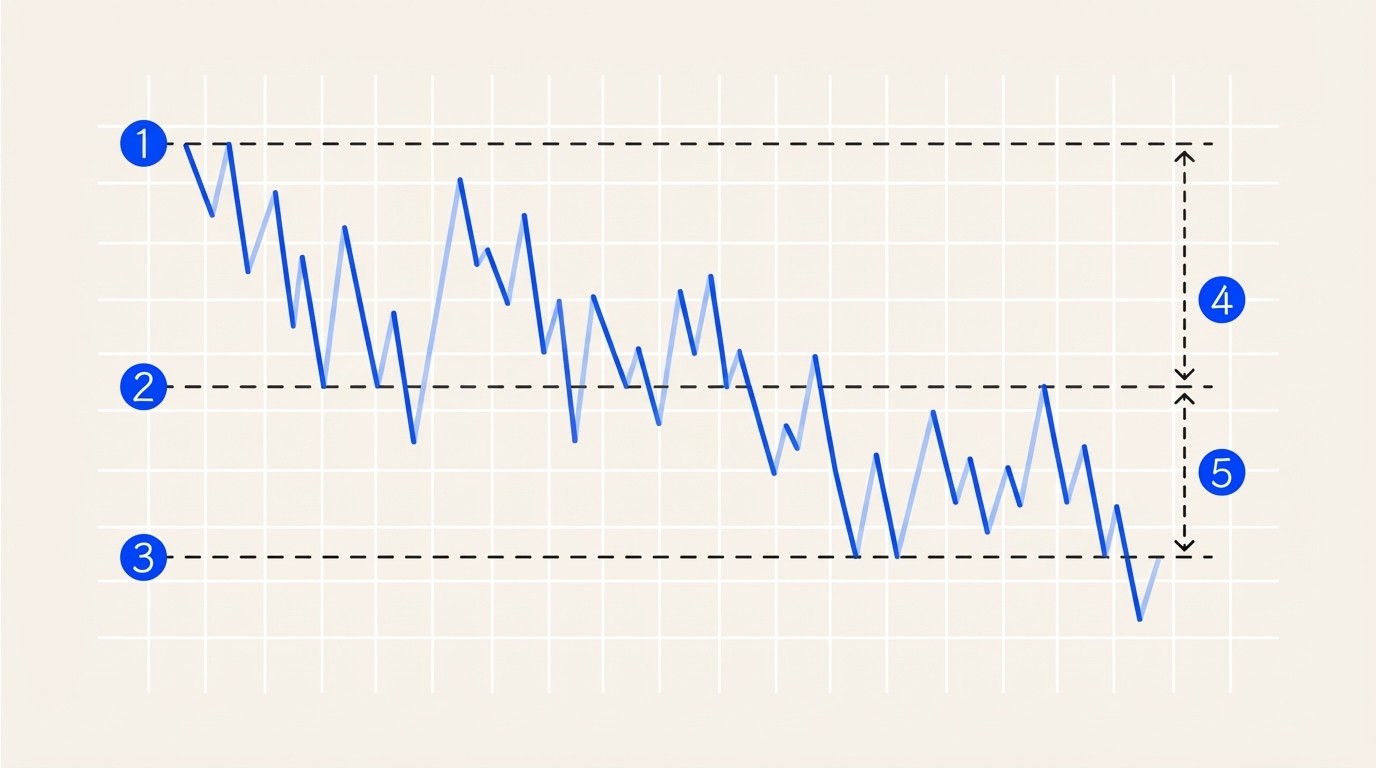
The best trading journal incorporates multiple layers of data beyond simple P&L tracking. Your journal should document entry and exit points with corresponding timestamps, position sizing rationale, and risk management parameters. Include pre-trade analysis that captures the setup identification process and conviction level. Document market conditions including volatility measures, sector performance, and broader index behavior. Psychological components are equally crucial—record your emotional state, energy level, and any external factors affecting your decision-making. Supplement with screenshots of technical setups and brief notes on fundamental catalysts that influenced the trade.
Digital vs. Traditional: Choosing the Best Trading Journal Format
Today's traders can choose from multiple journal formats, each with distinct advantages. Digital trading journal options range from customized spreadsheets to specialized software platforms and AI-enhanced tools. Spreadsheet-based journals offer flexibility and cost-efficiency but require manual analysis. Dedicated software like TraderSync or EdgeWonk provides automated metrics and visualization but comes with subscription costs. Modern AI trading journal tools can identify patterns and correlations beyond human perception, though they require clean data input. For certain traders, the tactile experience of handwritten journals enhances retention and accountability, despite limiting analytical capabilities.
How to Structure Your Trading Journal for Meaningful Analysis
Organize your trading journal with hierarchical review protocols—daily entries that feed into weekly summaries and monthly performance reviews. Categorize trades by instrument type, strategy employed, and market conditions to enable multi-dimensional analysis. Implement a tagging system that flags psychological states, technical setups, and specific catalysts. The journal de trading structure should facilitate both quantitative review (win rates, profit factor) and qualitative assessment (decision quality regardless of outcome). Create separate sections for planned trades versus impulsive decisions to highlight adherence to strategy.
Performance Review Techniques: Turning Data into Actionable Insights
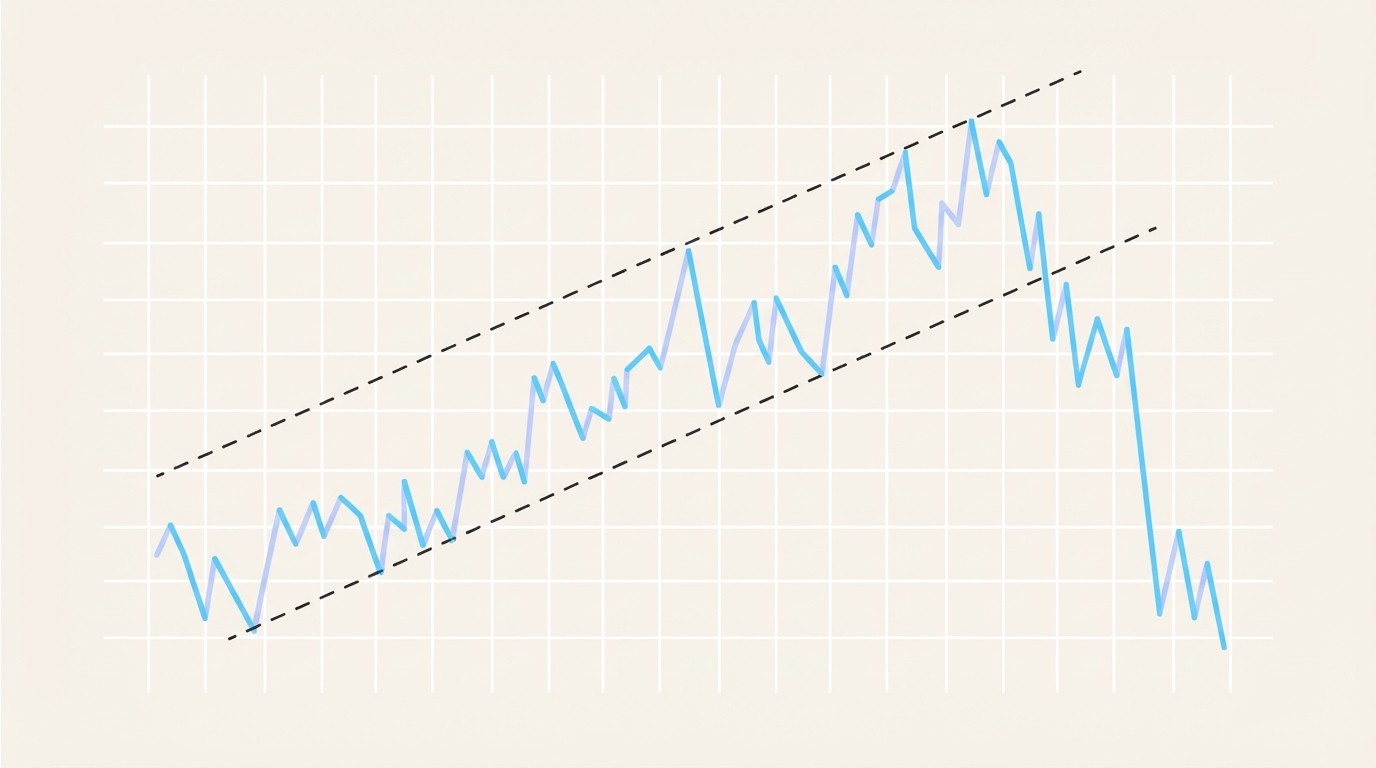
Transform raw trading journal data into actionable intelligence through systematic performance review. Calculate core metrics including win/loss ratio, average winner size versus average loser, and expectancy per trade type. Identify time-based patterns revealing when your performance peaks and deteriorates. Cross-reference emotional states with trade outcomes to spotlight psychological vulnerabilities. Apply cohort analysis by comparing similar trades across different market conditions. The most valuable insights often emerge from "outlier analysis"—examining your largest winners and losers for common elements that can be systematically enhanced or eliminated.
Common Patterns That Emerge from Consistent Journal Review
Dedicated trading journal analysis typically reveals several recurring patterns. Position sizing inconsistencies often appear first—many traders unconsciously size up on less convincing setups while under-allocating to high-probability opportunities. Time-based performance decay frequently emerges, showing degraded decision-making after specific durations. Strategy drift becomes visible when comparing current trades against historical examples of your documented approach. Perhaps most valuable are the psychological triggers that correlate with performance variance—specific market conditions that consistently provoke emotional responses that override your trading system.
Implementing Changes Based on Journal Findings: A Systematic Approach
Convert trading journal insights into performance improvements through incremental, measurable changes. Develop hypothesis-based adjustments rather than wholesale strategy revisions. For instance, if journal analysis reveals deteriorating afternoon performance, test a reduced size protocol during those hours before eliminating trading entirely. Create implementation checklists that transform insights into procedural safeguards. Establish regular review intervals to assess whether changes produce the anticipated effects. Document all system modifications within the journal itself to maintain a comprehensive record of your trading evolution.
Disclaimer: Past performance is not indicative of future results. Maintaining a trading journal does not guarantee profitable outcomes. All examples in this article are for educational purposes only and should not be considered financial advice. Trading involves substantial risk of loss.